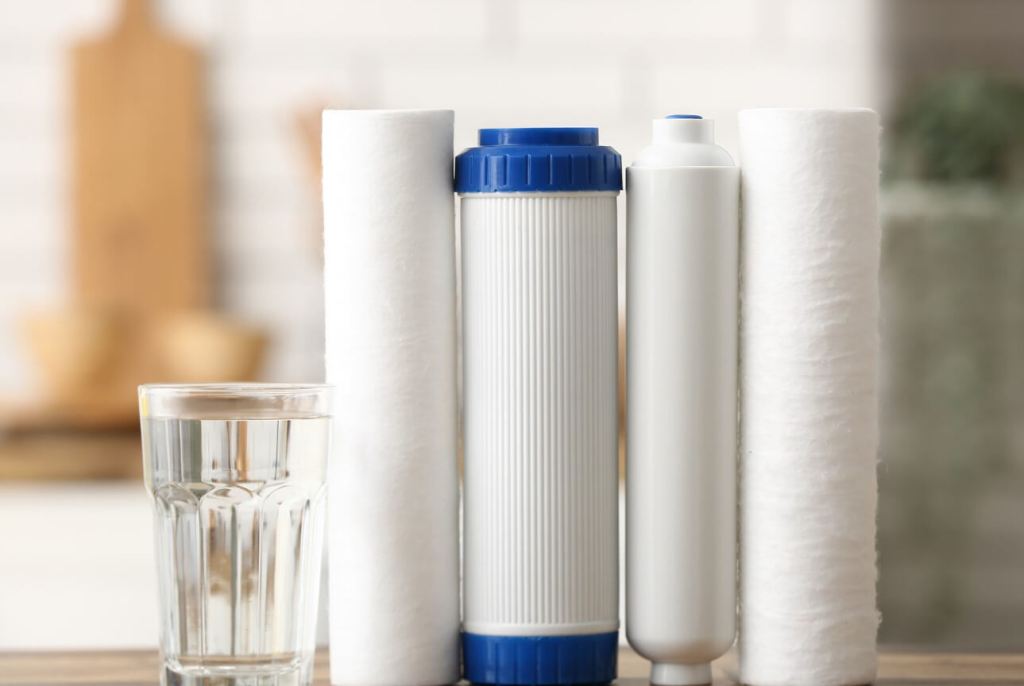
In recent years, PFAS contamination has become a growing concern for communities around the world. Known as “forever chemicals,” Per- and Polyfluoroalkyl Substances (PFAS) are synthetic chemicals that do not break down easily in the environment or the human body, leading to potential health risks. As awareness of PFAS increases, many are looking for ways to protect themselves from these harmful chemicals, and one of the most effective solutions is using PFAS water filters.
This blog will explore the dangers of PFAS, the benefits of using PFAS water filters, and how to choose the right filter to ensure your drinking water is safe.
What are PFAS?
PFAS are a group of man-made chemicals used in various industries since the 1940s. They are commonly found in products like non-stick cookware, water-repellent clothing, firefighting foams, and certain food packaging. While their resistance to heat, water, and oil makes them useful in many applications, these same qualities mean they persist in the environment and our bodies for long periods.
Some of the health risks associated with PFAS exposure include:
- Increased risk of cancer
- Immune system suppression
- Liver damage
- Thyroid hormone disruption
- Developmental issues in children
How Do PFAS Get into Drinking Water?
PFAS can enter water sources through industrial discharges, firefighting foam runoff, and even landfill leachate. Since they are highly mobile in water, PFAS can spread over large areas and contaminate groundwater, rivers, and lakes, eventually reaching our taps.
Drinking water contaminated with PFAS is a major exposure route for many people. Unfortunately, conventional water treatment plants are not always equipped to remove these chemicals, making it essential for individuals to take extra steps to filter PFAS from their water supply.
How Do PFAS Water Filters Work?
Not all water filters can remove PFAS. Filters designed specifically for this purpose often use activated carbon, reverse osmosis, or a combination of filtration technologies to effectively capture and eliminate PFAS compounds.
- Activated Carbon Filters: These filters trap PFAS molecules on the surface of carbon granules. While highly effective, activated carbon filters require regular replacement to maintain their efficiency.
- Reverse Osmosis Systems: These systems use a semi-permeable membrane to remove PFAS along with other contaminants. Reverse osmosis is one of the most effective methods for filtering PFAS, but it can be more expensive and may waste more water compared to other methods.
- Ion Exchange Filters: Some advanced filtration systems use ion exchange resins to specifically target and remove PFAS compounds. These filters are highly effective for long-chain PFAS chemicals, such as PFOA and PFOS.
Benefits of PFAS Water Filters
- Protection Against Health Risks
The most significant benefit of PFAS water filters is the protection they offer against the harmful effects of these chemicals. By removing PFAS from your drinking water, you reduce your risk of cancer, hormonal disruptions, and other serious health conditions linked to PFAS exposure. - Improved Water Quality
Beyond just PFAS, many of these filtration systems also remove other common contaminants like heavy metals, pesticides, and chlorine, improving the overall quality and taste of your drinking water. - Peace of Mind
Knowing that your water is free from toxic chemicals can provide peace of mind, especially for families with young children who are more vulnerable to the effects of PFAS.
Choosing the Right PFAS Water Filter
When selecting a PFAS water filter, it’s essential to choose one that has been tested and certified for PFAS removal. Look for filters certified by reputable organizations, such as the NSF International or Water Quality Association (WQA), for the reduction of PFOA and PFOS levels.
Here are a few factors to consider:
- Type of Filter: Decide whether an activated carbon filter, reverse osmosis system, or another filtration method is right for your household based on your budget, water usage, and filtration needs.
- Filter Maintenance: Consider how often the filter needs to be replaced and whether you can easily maintain the system.
- Size and Installation: Choose between whole-house filtration systems or under-sink filters, depending on whether you want to filter all the water in your home or just your drinking water supply.
Final Thoughts
PFAS contamination is a serious environmental and health issue, but taking proactive steps to protect your family with a PFAS water filter can reduce your exposure. Whether you choose an activated carbon filter, reverse osmosis system, or a combination of technologies, investing in the right filter is an important step toward safer, cleaner water.
By staying informed and choosing a reliable water filtration system, you can safeguard your health and minimize the impact of these harmful “forever chemicals” on your household.
 Sydney Water Filters
Leave a comment